Plasma, Halftone and Kaleidoscope: Abstract Music Visualizers Explained
Plasma audio visualizers, halftone music prints and kaleidoscope visuals: what each abstract style says about your sound, and templates to make them from your cover art.
Bars and waveforms literally show the music. Abstract visualizers do something different: they set a mood and let the sound move through it. Three styles come up again and again in searches and in what artists actually publish, so here is what plasma, halftone and kaleidoscope visuals each do, and how to make every one of them from nothing but your track and cover art.
Plasma: liquid light
A plasma audio visualizer melts color into slow, fluid waves that swell with the energy of the track. It reads as atmosphere rather than analysis, which makes it a natural fit for ambient, synthwave, psychedelia and anything downtempo. The Plasma template pulls its palette straight from your cover art, so the music plasma always matches the release instead of defaulting to someone else colors.
Halftone: music as print
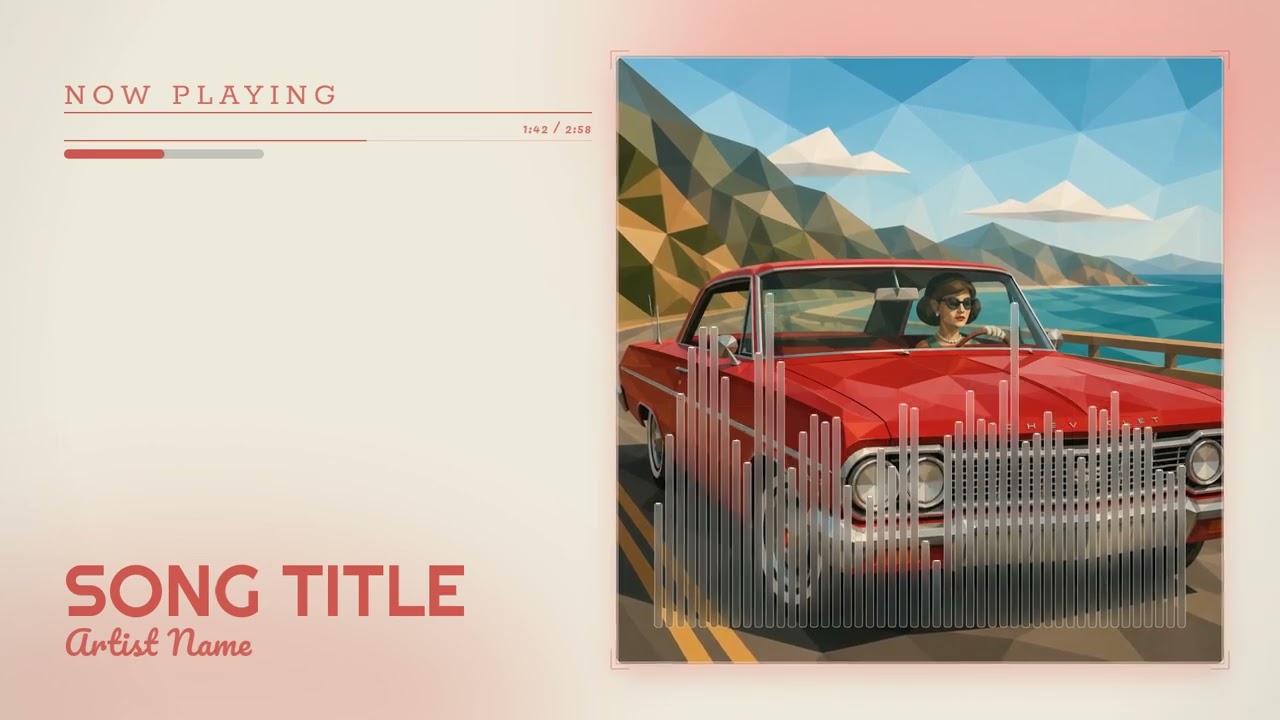
Halftone turns the frame into a field of print dots that grow and shrink with the audio, like a newspaper photo learning to dance. The Halftone template leans graphic and editorial, strong for indie, post-punk and any release with bold cover typography. It is also one of the rare styles that looks better the simpler your artwork is.
Kaleidoscope: symmetry on the beat
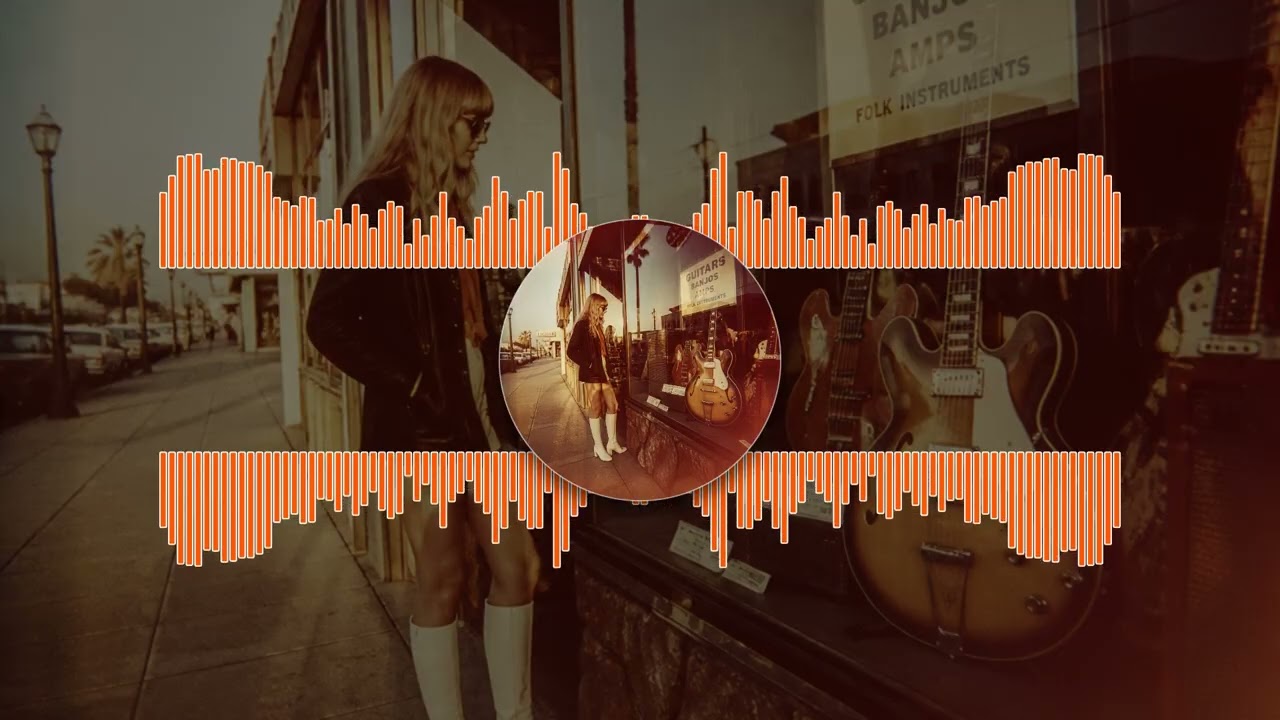
A kaleidoscope music visualizer folds your artwork into mirrored segments that bloom and rotate with the track. If you have searched for kaleidosync-style visuals, this is that idea with your own cover as the source material: the Kaleido template drives the fold count and rotation from the music itself. For a tiled cousin, Tessera breaks the art into a mosaic that reassembles on the beat.
Which one fits your sound
- Plasma: ambient, synthwave, dream pop, slow burns. Mood over precision.
- Halftone: indie, punk, hip-hop with graphic covers. Design over decoration.
- Kaleidoscope: psych, electronic, jam-adjacent anything. Hypnosis over narrative.
All three are templates, so the workflow is the same: track in, art in, preview free, tweak the controls, render 4K. If you want to understand what the visuals are actually reacting to underneath, audio-reactive video explained covers spectrum, waveform and beat sync in plain words.